


BARRICADE & FENCE
-

Ace® Sandbags – Pre-Filled Pallet, 3,000 lbs UV-Rated Canvas
$1,795.00Ace® - Pallet
$1,795.00 -

Cactus® Sandbags – Pre-Filled Pallet, HD Polypropylene, 4,000 UVI
$1,295.00Cactus® - Pallet
$1,295.00 -

Economy Sandbags Pallet – Pre-Filled 3,000 lb, White Polypropylene, 2,000 UVI Rated
$1,195.00Economy - Pallet
$1,195.00 -

Tube Sand – 60 lb Pre-Filled Bags (Pallet of 30) – 3-Year UV Protection
$795.00Tube Sand - Pallet
$795.00 -

Saddle Sandbags – Pre-Filled Pro Grade Weight Bags with Handle
$25.50Saddle Sandbags
$25.50 -

Ace® Sandbags – 3 Year UV-Rated Canvas, 100 Pack
$595.00Ace® - 100 Pack
$595.00 -

Cactus® Sandbags – 100 Pack, Heavy Duty Polypropylene, 4,000 UVI Rated
$98.00Cactus® - 100 Pack
$98.00 -
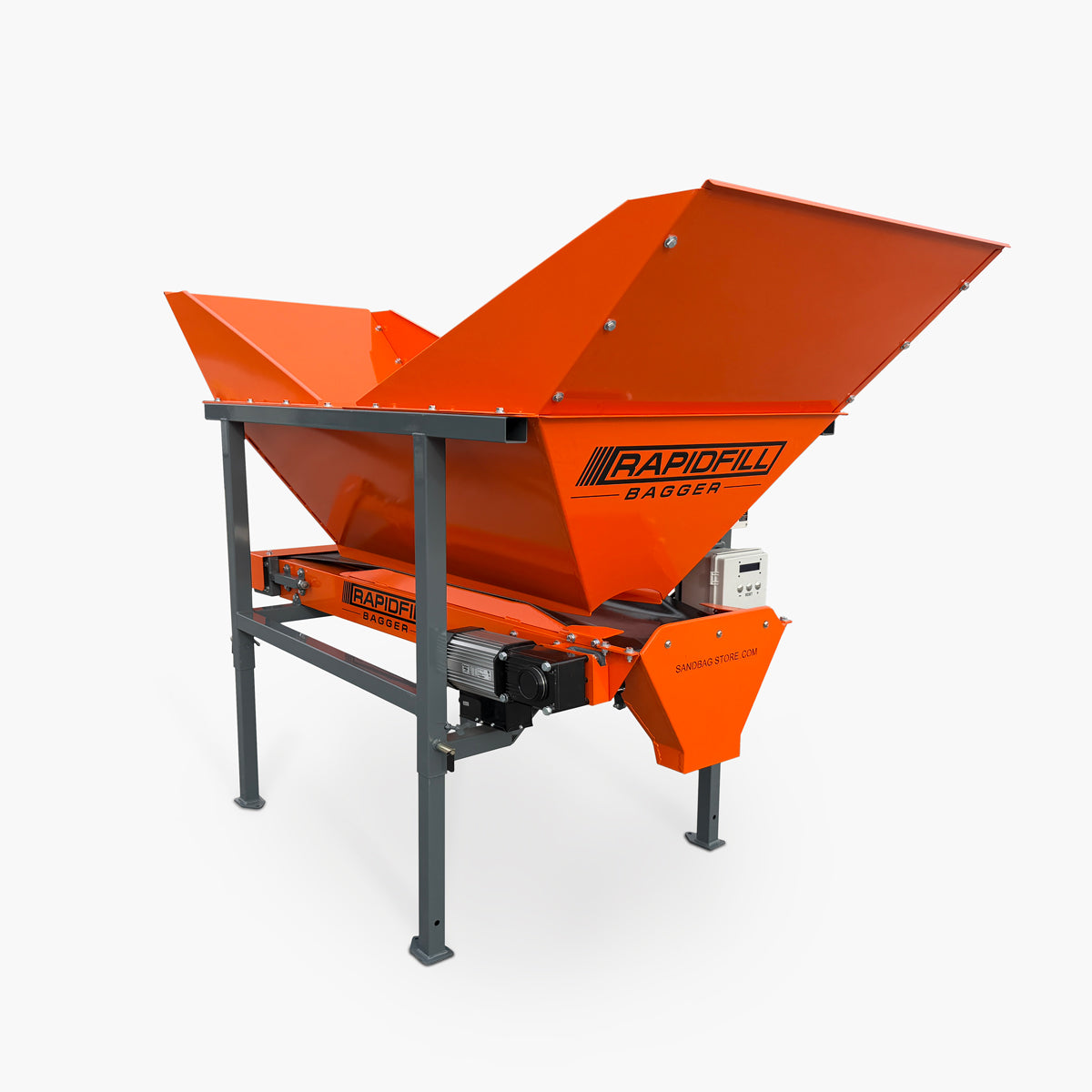
RapidFill Bagger™ — Affordable, Automated Sandbagging Machine
$16,425.00RapidFill™ Bagger
$16,425.00 -
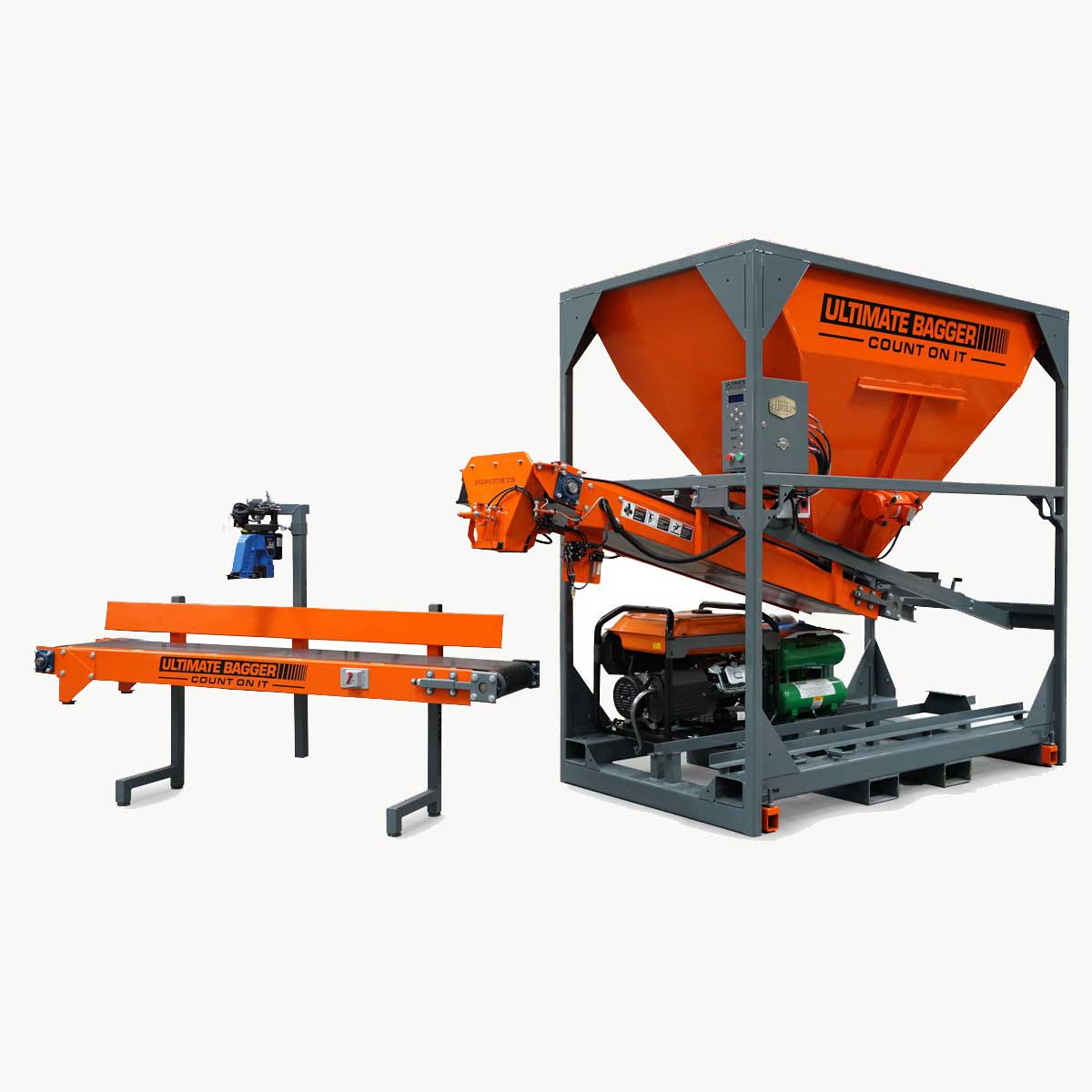
Ultimate Bagger® — High-Speed, Fully Automated Sandbag Filling Machine for Professional Sandbag Production
$44,750.00Ultimate Bagger
$44,750.00


Barricade & Fence Sandbags
Durable Ballast for Traffic Control, Portable Signs & Temporary Fencing
Barricades, portable sign stands and temporary fence panels are designed to be moved, but they still need enough ballast to remain stable once deployed. Wind, vehicle turbulence, uneven ground, repeated handling and attached fence screening can all create forces that shift or overturn an inadequately weighted installation.
The Sandbag Store® supplies UV-rated, professional-grade barricade and fence sandbags for roadway contractors, traffic-control companies, temporary fence installers, construction crews, utility contractors, municipalities, event operators and industrial facilities. Choose empty bags for local filling, pre-filled pallets for immediate deployment, compact professional weights for specialized equipment or automated filling machines for high-volume production.
Field Insight: The best ballast bag is not simply the least expensive or the heaviest.
Selection should account for device design, required ballast, wind exposure, project duration,
handling frequency, installation surface, pedestrian clearance and the consequences of bag failure.
Barricade & Fence Sandbag Selection Guide
Use this guide to match the project requirement with the most appropriate sandbag system.
| Project Requirement | Recommended Product | Why It Fits |
|---|---|---|
| Long-duration roadway, barricade or fence deployment |
Ace® Sandbags Ace® Pre-Filled Pallets |
UV-rated polyester canvas with up to three years of outdoor life, multiple colors and optional custom printing. |
| Heavy-duty performance at a lower material cost |
Cactus® Sandbags Cactus® Pre-Filled Pallets |
Thick woven polypropylene construction with approximately two years of outdoor UV life. |
| Short-term, seasonal or price-sensitive work |
Economy Sandbags Economy Pre-Filled Pallets |
Cost-effective woven polypropylene bags with approximately one year of direct-sun outdoor life. |
| Low-profile linear ballast for sign stands or fence feet | Tube Sand - 60 lb Bags | Elongated triple-layer bags provide clean, stable weight with less exposed height and no on-site filling. |
| Compact drape-over ballast for specialized stands or frames | Saddle Sandbags | Two-pocket design drapes over stand legs, lower rails and equipment frames while the center handle supports repositioning. |
| Recurring in-house bag production |
RapidFill Bagger™ Ultimate Bagger® |
Automated filling systems help contractors create repeatable bag weights without continuous hand shoveling. |
1. Why Sandbags Work Well as Barricade & Fence Ballast
Ballast should add meaningful weight without creating a second hazard. Bricks, concrete blocks, scrap metal and other improvised weights are rigid, difficult to secure and capable of damaging equipment or becoming dangerous when struck or displaced.
Properly selected sandbags provide a more adaptable alternative:
- Deformable construction: Soft-sided bags conform to feet, frames and uneven surfaces.
- Low center of gravity: Weight remains near the base where it contributes most to stability.
- No sharp edges: Reduces scratching and damage to equipment, pavement and finished flooring.
- Modular loading: Add, remove or redistribute individual bags as conditions change.
- Portable: Bags can be moved between barricades, signs and fence panels as a project advances.
- Replaceable: A damaged bag can be removed without replacing the entire support system.
- Multiple service lives: Match the bag fabric to a short project or multi-season installation.
Important Distinction: Ballasted barricades and temporary fencing are not positive crash barriers.
Sandbags can help stabilize equipment against wind and incidental movement, but they do not convert a portable
barricade or fence into a system designed to stop an impacting vehicle.
2. Sandbags for Type I, Type II & Type III Barricades
Roadway barricades must remain visible and stable while preserving the intended performance of the traffic-control device. Ballast should be positioned at the base or lower structural members, not where it covers reflective rails, signs, warning lights or other visual elements.
Type I & Type II Barricades
Type I and Type II barricades are commonly used to delineate work areas, guide road users and mark temporary conditions. Depending on the frame design, sandbags can be placed on the lower frame members or stays where the weight remains close to the ground.
- Keep all striped and retroreflective rails unobstructed.
- Place ballast as low as the device design allows.
- Distribute weight evenly so the frame does not lean or twist.
- Do not position handles, ties or loose fabric where they can snag passing equipment.
- Follow the barricade manufacturer’s approved ballast configuration.
Type III Barricades
Type III barricades have a larger wind-catching surface and are commonly used for full or partial road closures. The total ballast requirement should be determined by the device manufacturer, traffic-control plan and site conditions rather than a universal number of bags.
- Distribute ballast across the supporting feet rather than concentrating everything on one side.
- Keep the base footprint clear of vehicular and pedestrian travel paths.
- Reinspect the setup after high winds, storms, relocation or contact from equipment.
- Use matching bag weights where symmetrical loading is required.
- Replace leaking, torn or significantly degraded bags before redeployment.
Traffic-Control Compliance: Devices used on streets, highways or site roadways open to public travel
should follow the current MUTCD, applicable state and local requirements, the approved temporary traffic-control plan
and the device manufacturer’s instructions. Ballast must not block visibility or narrow an accessible pedestrian route.
3. Portable Sign Stand & Traffic-Control Equipment Ballast
Portable work-zone signs are exposed to direct wind pressure, turbulence from passing vehicles and repeated repositioning. Because the sign panel sits above the base, even a relatively small gust can produce significant overturning force.
Ballast should remain low, balanced and compatible with the stand’s tested configuration. Useful options include:
- Ace® Sandbags for professional, multi-season installations where appearance and company identification matter.
- Cactus® Sandbags for rugged, cost-conscious traffic-control operations.
- Tube Sand for elongated, pre-filled weight along stand legs or base rails.
- Saddle Sandbags for approved frames where a compact draped weight is appropriate.
Placement Tip: Adding more total weight does not correct poor placement.
Ballast positioned unevenly or far from the intended base location can make a stand lean, twist or respond
unpredictably when wind direction changes.
4. Temporary Fence Panel Ballast
Temporary chain-link, welded-wire and construction fence panels rely on portable feet instead of buried posts. Sandbags provide removable ballast for project perimeters, demolition sites, utility work, special events, crowd-control areas, equipment yards and restricted-access zones.
Place the selected ballast directly over or adjacent to the fence feet according to the fence manufacturer’s instructions. A successful temporary fence layout should consider:
- Panel height and width: Larger panels present more surface area to the wind.
- Fence screening: Privacy mesh, banners and debris netting can greatly increase wind pressure.
- Ends and corners: Terminal panels and direction changes may require additional support.
- Gate openings: Moving gates introduce changing loads and repeated stress at adjacent panels.
- Ground conditions: Slopes, loose gravel and uneven pavement can reduce base stability.
- Pedestrian exposure: Bags and feet should not create avoidable trip hazards.
- Project duration: Long installations require fabric with enough UV life to remain dependable.
Wind-Screen Warning: Do not use the same ballast assumption after adding privacy screening,
banners, tarps or debris netting. These materials can turn an open fence into a large wind-catching surface.
Follow the fence supplier’s engineered bracing and ballast requirements for screened installations.
5. Pedestrian Barricades, Events & Crowd-Control Areas
Barricade ballast is also used away from active roadways at concerts, festivals, campuses, stadiums, convention facilities, construction entrances and public gatherings. In these environments, appearance, trip-hazard reduction and repeated setup often matter as much as outdoor life.
- Use low-profile ballast that remains within the intended equipment footprint.
- Keep accessible routes, entrances, exits and emergency paths clear.
- Use consistent bag placement so staff can inspect long barricade runs quickly.
- Choose clean, sealed or professionally finished bags for public-facing spaces.
- Consider branded bags to reduce walk-offs and simplify equipment ownership identification.
View Ace® Sandbags View Tube Sand
6. Match the Sandbag’s Outdoor Life to the Project
Sandbags used around barricades and temporary fencing often remain in direct sunlight for weeks, months or years. Choosing too little UV protection creates premature failures and replacement labor. Choosing more outdoor life than the project requires can increase initial cost without providing a practical benefit.
| Product | Approximate Outdoor Life | Best Project Fit |
|---|---|---|
| Economy Sandbags | Approximately 1 year / 2,000 UVI | Short-term construction, seasonal traffic control and cost-sensitive projects |
| Cactus® Sandbags | Approximately 2 years / 4,000 UVI | Longer construction phases, fence rentals and repeated field deployment |
| Ace® Sandbags | Up to approximately 3 years | Multi-season operations, public-facing installations and branded contractor inventory |
| Tube Sand | Approximately 3 years | Pre-filled linear ballast, portable signs and installations where a clean profile matters |
Outdoor-life ratings are estimates under normal exposure, not guarantees for every climate or use. Dragging, repeated vehicle contact, sharp fence hardware, contaminated fill, standing water and improper storage can shorten service life even when the fabric itself remains UV-resistant.
7. Empty Bags or Pre-Filled Pallets?
The choice between empty and pre-filled sandbags usually comes down to labor, storage, transportation and how quickly crews must deploy.
Choose Empty Sandbags When:
- Sand or approved aggregate is readily available near your shop or yard.
- You already have filling equipment and trained personnel.
- Empty bags must be transported compactly to distant job sites.
- You want to select the finished weight for different devices.
- Your operation uses enough bags to justify centralized production.
Choose Pre-Filled Sandbags When:
- Crews need ballast ready for immediate deployment.
- Labor is more expensive or less available than freight.
- Consistent bag weights and shapes improve field organization.
- Filling sand on-site would create dust, cleanup or material-handling problems.
- Multiple projects or branches need predictable pallet quantities.
Available palletized options include:
- Ace® Sandbag Pallet: approximately 3,000 pounds in selectable 30-, 40- or 50-pound bags.
- Cactus® Sandbag Pallet: approximately 3,000 pounds in selectable bag weights.
- Economy Sandbag Pallet: approximately 3,000 pounds for economical ready-to-deploy ballast.
- Tube Sand Pallet: thirty 60-pound bags totaling approximately 1,800 pounds.
8. Color, Branding & Inventory Control
Color and custom printing do not replace required traffic-control markings, but they can improve asset management, professional appearance and contractor identification.
Ace® Sandbags are available in multiple solution-dyed colors and can be custom printed with a company logo, department name, branch identifier or other approved information.
- Discourage walk-offs: Clearly branded weights are less likely to disappear between projects.
- Separate branches: Assign colors or markings to different yards and crews.
- Identify weight classes: Use a consistent color or printed designation for each filled weight.
- Track rental assets: Add company identification to reusable field inventory.
- Improve presentation: Replace random, mismatched bags with a consistent professional system.
Compliance Reminder: The sandbag’s color is an asset-management or presentation choice.
It does not establish MUTCD compliance and should never be used as a substitute for required retroreflective
markings, signs, lights or approved traffic-control devices.
9. Sandbag Filling Machines for Barricade & Fence Operations
Contractors that install hundreds or thousands of barricades and fence panels may save significant labor by filling bags at a central yard rather than relying on hand shoveling at each project.
RapidFill Bagger™
The RapidFill Bagger™ is a compact automated system designed for operations moving beyond manual filling. Adjustable dispensing, material agitation, production counts and an optional bag-closing system support repeatable batches of ballast bags.
- Production capability up to approximately 1,000 bags per hour under suitable conditions.
- Programmable dispensing time for repeatable fills.
- Bag and pallet counters for production tracking.
- Compact footprint for contractor yards and branch locations.
- Suitable for sand, gravel and other compatible coarse materials.
Ultimate Bagger®
The Ultimate Bagger® is intended for larger regional production operations. It can fill and seal up to approximately 1,200 sandbags per hour with a four-person crew and includes an integrated industrial sewing system.
- High-output centralized production for multiple branches or project regions.
- Two-yard hopper with agitation for wet or difficult materials.
- Digital control of fill timing and production counts.
- Integrated sewing system for closed, professional bags.
- Forklift pockets for relocation within a yard or production facility.
View RapidFill Bagger™ View Ultimate Bagger®
10. Estimate Ballast Quantities Before Mobilization
There is no universal number of sandbags for every barricade or fence panel. Start with the required ballast specified by the equipment manufacturer, approved plan or responsible engineer, then convert that requirement into the selected bag size.
Planning Formula:
Required ballast per device × total number of devices = total project ballast.
Total project ballast ÷ selected bag weight = minimum number of bags.
Add additional inventory for gates, corners, damaged bags, changing field conditions and replacement stock.
Required ballast per device × total number of devices = total project ballast.
Total project ballast ÷ selected bag weight = minimum number of bags.
Add additional inventory for gates, corners, damaged bags, changing field conditions and replacement stock.
Before ordering, document:
- Total number and type of barricades, signs or fence panels.
- Manufacturer-required ballast for each configuration.
- Selected bag weight and acceptable filled dimensions.
- Whether screening, banners or signs will increase wind exposure.
- Estimated project duration and required UV life.
- Whether bags will be filled locally or delivered pre-filled.
- Available forklift, dock or liftgate access at the delivery location.
- Reserve quantity for replacement and unexpected field conditions.
11. Field Inspection & Maintenance
Ballast systems should be inspected throughout the project, not only during initial setup.
- Confirm every required base or foot has the specified ballast.
- Check that bags remain in the approved position after relocation.
- Inspect seams, fabric, handles, closures and ties for damage.
- Remove bags that are leaking fill or no longer hold their intended shape.
- Recheck fence panels after screening is installed or changed.
- Inspect after storms, high-wind events, flooding or equipment contact.
- Keep ballast out of travel lanes, accessible routes and emergency exits.
- Store reusable bags dry and protected when they are not deployed.
Barricade & Fence Ballast Products
- Ace® Sandbags - Empty 100 Pack
- Ace® Sandbags - Pre-Filled Pallet
- Cactus® Sandbags - Empty 100 Pack
- Cactus® Sandbags - Pre-Filled Pallet
- Economy Sandbags - Empty 100 Pack
- Economy Sandbags - Pre-Filled Pallet
- Tube Sand - 60 lb Pre-Filled Bags
- Saddle Sandbags - Pre-Filled Professional Weight Bags
- RapidFill Bagger™
- Ultimate Bagger®
12. Why Barricade & Fence Contractors Choose The Sandbag Store®
- Multiple service-life options: Match approximately one-, two- or three-year products to the project.
- Empty or pre-filled: Fill locally or receive palletized bags ready for deployment.
- Multiple bag weights: Select practical increments for barricades, signs and fence systems.
- Professional appearance: Clean, colorfast options for public-facing job sites.
- Custom identification: Logo printing is available on selected Ace® Sandbag orders.
- Scalable production: Automated baggers support contractor yards and regional production hubs.
- Direct purchasing: Buy from a dedicated sandbag manufacturer and supplier.
- Free shipping: Qualifying products ship free within the continental United States.
Bottom Line: Reliable barricade and fence ballast is a complete system involving
the correct total weight, low and balanced placement, sufficient outdoor life, regular inspection
and compliance with the approved installation requirements.
Need help selecting bag material, filled weight, pallet quantity or production equipment? Request a barricade and fence quote or call 1-800-550-1235.
Barricade & Fence Sandbag FAQs
What is the best sandbag for traffic barricades?
The best sandbag depends on project duration and budget. Ace® Sandbags are well suited to long-duration, professional and branded deployments. Cactus® Sandbags provide heavy-duty polypropylene performance at a lower cost, while Economy Sandbags are appropriate for shorter-term and seasonal applications.
How many sandbags should be placed on a barricade?
There is no universal bag count for every barricade. Use the total ballast required by the barricade manufacturer, approved traffic-control plan or responsible authority, then divide that requirement by the weight of the selected bags. Wind exposure, frame design, roadway conditions and placement all affect the requirement.
Can sandbags be used on Type I, Type II and Type III barricades?
Sandbags can be used as ballast where permitted by the device manufacturer and approved traffic-control plan. They should remain on the lower frame, stays or feet, must not cover striped or retroreflective rails and should not intrude into accessible pedestrian routes. Follow the current MUTCD and applicable state or local requirements.
Which sandbags are best for temporary chain-link fencing?
Ace® Sandbags are a strong choice for long-duration or public-facing fence installations, while Cactus® Sandbags provide rugged value for construction sites and rental fleets. Economy Sandbags are better suited to shorter projects. The fence manufacturer should specify the required ballast, especially when privacy screening or banners are attached.
Should a contractor order empty or pre-filled barricade sandbags?
Empty bags are economical to store and transport when local sand, equipment and labor are available. Pre-filled pallets reduce filling labor and arrive ready to deploy in consistent bag weights. Contractors with recurring demand often use empty bags and a filling machine, while project-based buyers frequently prefer pre-filled pallets.
Can barricade and fence sandbags be custom printed?
Yes. Selected Ace® Sandbag orders can be printed with a company logo, department name or other approved identification. Printing helps organize contractor inventory, identify rental assets and discourage bags from being removed from the job site.

Need a Custom Quote?
Fill out our online quote form and we’ll provide you with a fast, easy estimate