


ENVIRONMENTAL
-

DuraBag® Sandbags – Pre-Filled Pallet, 5-Year UVI, Gravel Bag for Erosion Control & Ballast – 3,000 lbs.
$1,425.00DuraBag® - Pallet
$1,425.00 -

DuraBag® Sandbags – 100 Pack, 5-Year UVI Long-Life Gravel Bags
$335.00DuraBag® - 100 Pack
$335.00 -

Geotextile Sandbags Pallet – Prefilled 3,000 lb DOT/EPA Compliant
$1,425.00Geotextile - Pallet
$1,425.00 -

Geotextile Sandbags — DOT/EPA Compliant Erosion Control (100 Pack)
$322.00Geotextile - 100 Pack
$322.00 -

Big Hoss Sandbags® – 5 Year UV Rated Bulk Bag for Flood & Erosion Control
$124.00Big Hoss® Bulk Bag
$124.00 -
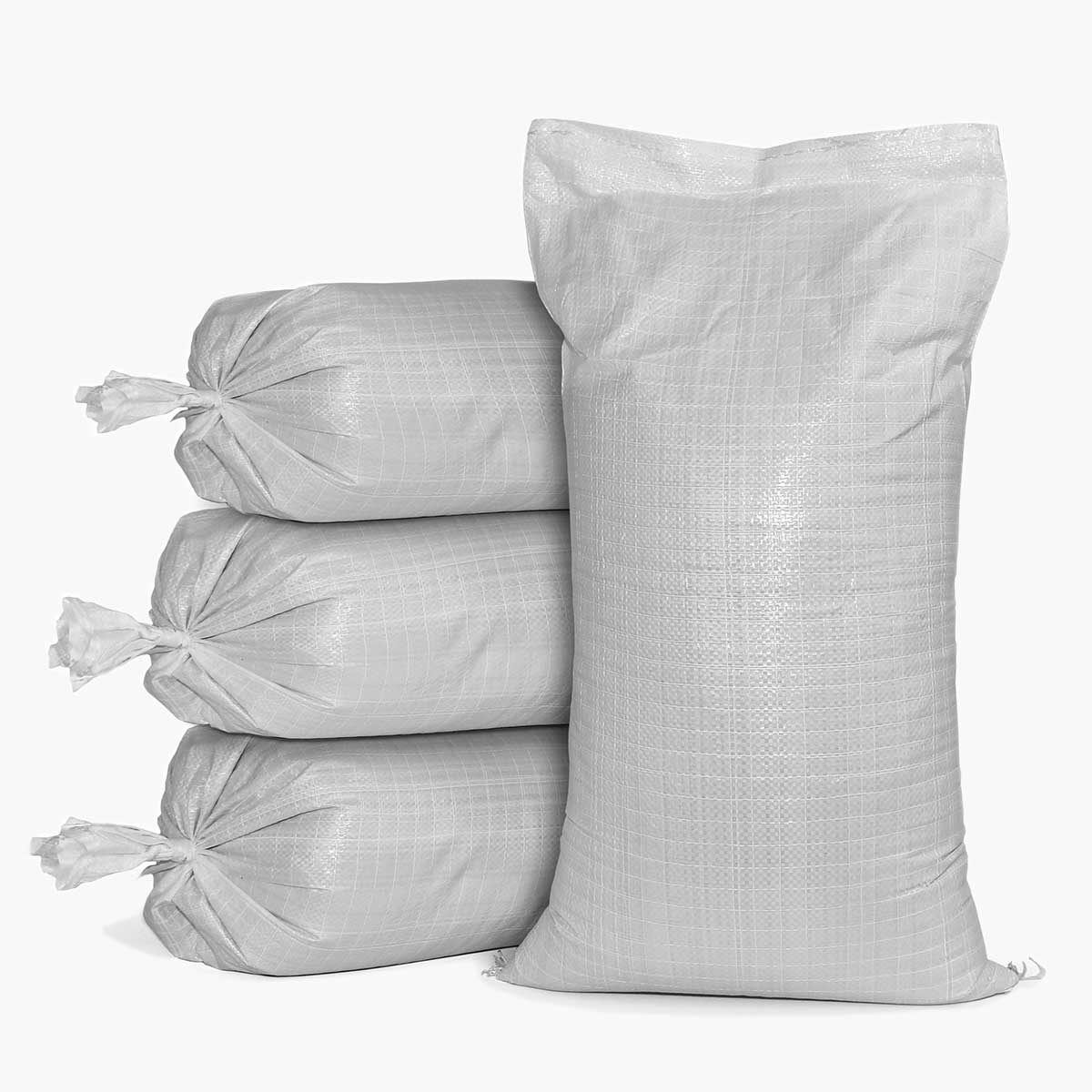
Economy Sandbags – 100 Pack with 2,000 UVI, Hemmed Top, White Woven Polypropylene
$62.00Economy - 100 Pack
$62.00 -

Economy Sandbags Pallet – Pre-Filled 3,000 lb, White Polypropylene, 2,000 UVI Rated
$1,195.00Economy - Pallet
$1,195.00 -

Cactus® Sandbags – 100 Pack, Heavy Duty Polypropylene, 4,000 UVI Rated
$98.00Cactus® - 100 Pack
$98.00 -

Cactus® Sandbags – Pre-Filled Pallet, HD Polypropylene, 4,000 UVI
$1,295.00Cactus® - Pallet
$1,295.00 -

RapidFill Bagger™ — Affordable, Automated Sandbagging Machine
$16,425.00RapidFill Bagger™
$16,425.00 -
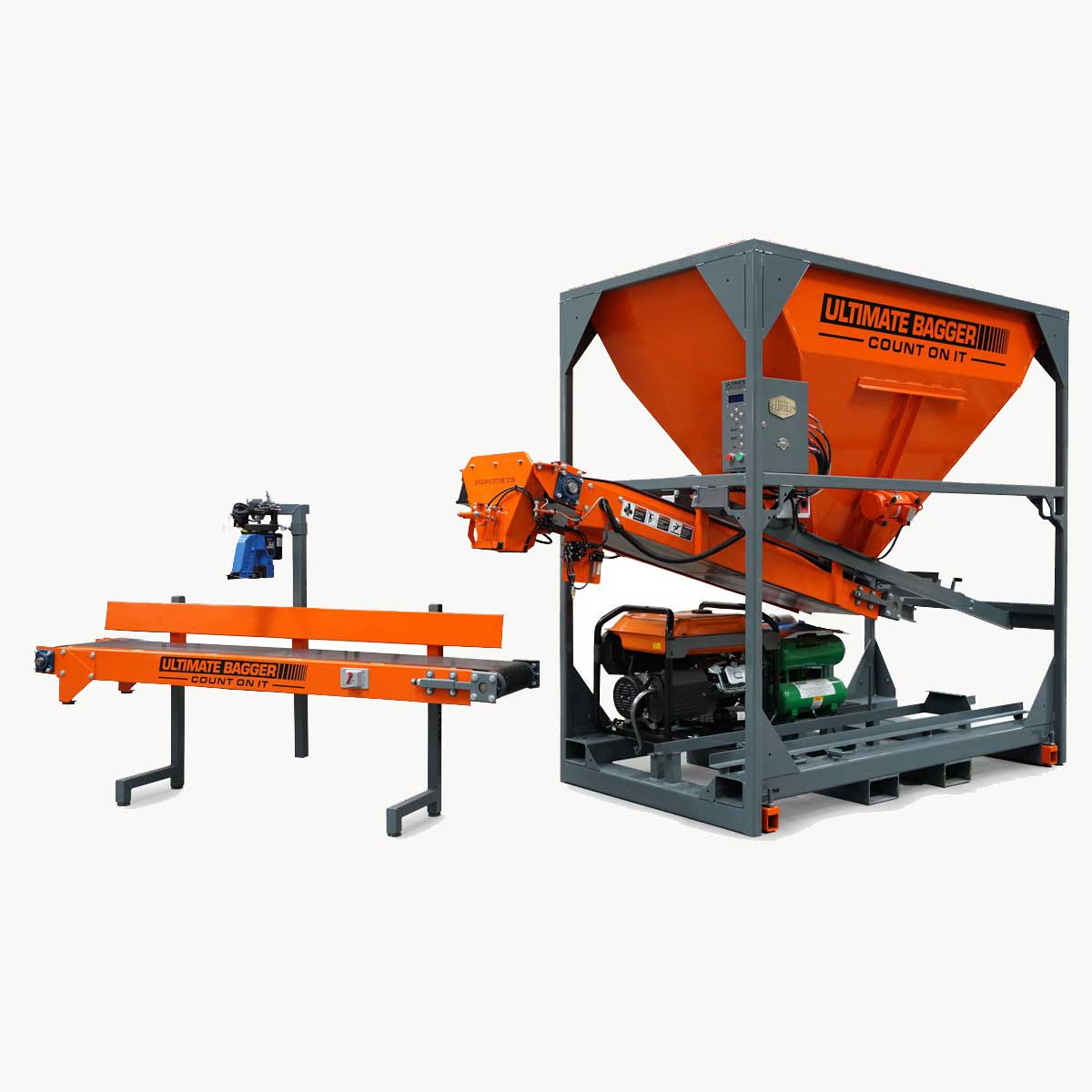
Ultimate Bagger® — High-Speed, Fully Automated Sandbag Filling Machine for Professional Sandbag Production
$44,750.00Ultimate Bagger
$44,750.00


Environmental Sandbags & Stormwater Solutions
Gravel Bags for Erosion Control, Drainage, Restoration & Environmental Projects
Environmental projects require more than placing a row of heavy bags beside moving water. The correct solution must account for flow, sediment, drainage, soil conditions, expected service life, installation method, inspection requirements and eventual removal.
The Sandbag Store® supplies permeable gravel bags, nonwoven geotextile bags, long-life erosion-control sandbags, large bulk barriers, pre-filled pallets and high-production bagging equipment for environmental contractors, civil engineers, stormwater professionals, municipalities, restoration teams, utilities, landfill operators and public works departments.
Applications include construction stormwater BMPs, drainage-channel protection, inlet control, temporary diversion, slope stabilization, shoreline work, liner and geofabric ballast, post-wildfire erosion response and long-duration outdoor environmental projects.
Environmental Project Insight: A sandbag does not become compliant simply because
it is described as an erosion-control product. Successful performance depends on
the bag material, fill media, placement detail, project specification, maintenance schedule
and whether the control is appropriate for the site’s actual flow and sediment conditions.
Who Uses Environmental Sandbags?
- Environmental Contractors: SWPPP implementation, BMP installation, maintenance and site stabilization.
- Civil & Environmental Engineers: Drainage, erosion, filtration, shoreline and restoration designs.
- General Contractors & Developers: Construction stormwater controls and disturbed-soil protection.
- Municipalities & Public Works Departments: Inlets, channels, culverts, slopes and emergency response.
- Departments of Transportation: Roadside drainage, embankments, temporary erosion controls and specified geotextiles.
- Utilities & Pipeline Contractors: Trench support, right-of-way stabilization, dewatering-area control and liner ballast.
- Landfill & Waste-Facility Operators: Temporary cap, tarp, liner and geosynthetic hold-down applications.
- Restoration Professionals: Streambanks, wetlands, shorelines, habitat projects and temporary construction controls.
- Wildfire Recovery Teams: Post-fire slope stabilization, sediment control and debris-flow mitigation.
- Material Suppliers: Production and distribution of gravel-filled or sand-filled bags for regional projects.
Environmental Sandbag Selection Guide
Begin with the function the bag must perform. Material permeability, fill size, abrasion exposure, required outdoor life and the project specification should guide the selection.
| Environmental Requirement | Recommended Product | Why It Fits |
|---|---|---|
| Long-duration gravel-filled BMPs and outdoor ballast |
DuraBag® Sandbags DuraBag® Pre-Filled Pallets |
Open polyethylene mesh, five-year UV rating and high burst strength for set-and-leave gravel applications. |
| Projects specifying nonwoven geotextile fabric or ASTM performance data |
Geotextile Sandbags Geotextile Pre-Filled Pallets |
Available in 4 oz. and 8 oz. nonwoven, needle-punched polypropylene with published tensile, puncture, burst, flow and UV test data. |
| Large berms, slope toes, shoreline barriers and post-fire response | Big Hoss Sandbags® | Heavy-equipment-compatible bulk bags with an approximately 3,000-pound safe working load and a five-year UV-rated outer wrap. |
| Rugged temporary controls requiring longer life than economy bags |
Cactus® Sandbags Cactus® Pre-Filled Pallets |
Heavy 1480-denier woven polypropylene with approximately two years of rated outdoor UV life. |
| Short-term, seasonal or cost-sensitive environmental controls |
Economy Sandbags Economy Pre-Filled Pallets |
Affordable woven polypropylene bags with a 2,000-hour UV rating for temporary and seasonal work. |
| High-volume local gravel-bag or sandbag production |
RapidFill Bagger™ Ultimate Bagger® |
Automated filling systems support repeatable bag sizes and scalable production for contractors, agencies and material yards. |
1. Environmental Compliance Starts with the Project Plan
Many construction activities that disturb one acre or more, as well as smaller sites that are part of a larger common plan of development, may require stormwater permit coverage. Permit requirements commonly call for effective erosion controls, sediment controls, pollution-prevention practices, inspection, maintenance and final stabilization.
A Stormwater Pollution Prevention Plan, or SWPPP, is site-specific. It identifies potential pollutant sources, planned controls, inspection responsibilities, maintenance procedures and the sequence in which disturbed areas will be stabilized.
Sandbags and gravel bags may be used as individual BMP components when they are included in the approved plans and installed according to the project detail. Depending on the site, they may support:
- Temporary check structures in swales and drainage channels
- Storm-drain and curb-inlet protection
- Runoff diversion and perimeter control
- Slope interruption and grade stabilization
- Stockpile and disturbed-area containment
- Geotextile, liner and erosion-control blanket hold-down
- Temporary construction access and work-area separation
Compliance Clarification: EPA, state agencies and transportation departments generally
regulate the project, materials, performance and installation. No product description creates universal
approval for every site. Submit the product data to the project engineer, permitting authority or agency
representative and confirm acceptance before installation.
2. DuraBag® or Geotextile? Understanding the Difference
DuraBag® and Geotextile Sandbags are both permeable products, but their fabrics behave differently. The best option depends on whether the project prioritizes long outdoor life, aggregate visibility, filtration characteristics, abrasion resistance or a specified geotextile weight.
| Feature | DuraBag® | Geotextile Sandbag |
|---|---|---|
| Fabric | Open woven polyethylene mesh | Nonwoven, needle-punched polypropylene geotextile |
| Available Fabric Options | Heavy mesh construction | 4 oz. or 8 oz. fabric |
| Water Movement | Large open mesh allows rapid drainage around aggregate | Fabric allows water movement while providing a finer separation layer |
| Published Strength Information | 380 PSI listed burst strength | ASTM data for tensile, Mullen burst, puncture, water flow and UV retention |
| Outdoor Life | 10,000 UV hours, approximately five years in full-sun exposure | UV-resistant with listed retention data; use the project specification rather than assuming a fixed lifespan |
| Recommended Fill | 1/4-inch chip stone or 1/2-inch washed gravel; sand requires a liner | Washed chip stone or washed gravel selected to match the project detail |
| Best Fit | Long-duration gravel BMPs, liner ballast, slopes, shorelines and outdoor stabilization | Projects that specify nonwoven geotextile properties, filtration or published ASTM performance |
| Handling Consideration | Open mesh can snag if dragged over sharp surfaces | Select 4 oz. or 8 oz. according to required strength, flow and handling conditions |
Choose DuraBag® Sandbags when the priority is extended outdoor life, open drainage and gravel-fill performance. Choose Geotextile Sandbags when the plans call for nonwoven fabric, published ASTM properties or a finer separation layer.
View DuraBag® Sandbags View Geotextile Sandbags
3. Construction Stormwater & SWPPP Applications
Gravel-filled bags are useful because they combine mass, permeability and a shape that conforms to pavement, soil, curbs and channel surfaces. They can often be installed without trenching and can be repositioned as grading and drainage patterns change.
Check Dams & Grade-Control Structures
When included in an approved plan, gravel bags can form temporary check structures that interrupt flow in a swale or ditch. The goal is generally to reduce velocity, resist channel erosion and encourage suspended material to settle before runoff continues downstream.
Storm-Drain & Curb-Inlet Protection
Permeable bags may be positioned around compatible inlets to reduce the movement of sediment into the storm system. The detail must preserve the required overflow path and cannot create unsafe upstream flooding.
Diversion Berms & Perimeter Controls
Sandbags can guide runoff away from disturbed soil, material storage, excavation areas and work zones. The selected fill and fabric should match whether the berm is intended to block, redirect or allow controlled water passage.
Slope Interruption
Rows or short structures may interrupt long uninterrupted slopes, support erosion-control fabrics or reinforce vulnerable transition points while vegetation and permanent stabilization become established.
Performance Boundary: Gravel bags are physical flow and sediment-control components.
They are not oil absorbents, chemical-treatment systems or filters for dissolved contaminants.
Projects involving fuels, hazardous substances or contaminated water require controls designed for those pollutants.
4. Protecting Inlets Without Creating a New Flooding Problem
Storm-drain protection must balance sediment control with drainage capacity. Completely blocking an inlet may redirect water into traffic lanes, buildings, sidewalks or adjacent property.
Follow the approved inlet detail and verify:
- The correct bag type, fill size and arrangement are being used.
- An overflow route remains available for larger storm events.
- The installation does not create a traffic, pedestrian or public-safety hazard.
- Ends, corners and transitions remain tight enough to prevent unintended bypass.
- Accumulated sediment is removed before it compromises capacity.
- Displaced or damaged bags are reset promptly after storms and site traffic.
- The control is removed when the plan no longer requires it.
Inspection Insight: A control that worked during a small rainfall may fail during a larger event
if sediment has reduced its flow capacity. Maintenance is part of BMP performance, not a separate optional task.
5. Slope Stabilization & Post-Wildfire Erosion Response
Bare or burned slopes can shed water, soil, ash and debris much faster than vegetated ground. Temporary bag structures may help protect slope toes, reinforce drainage transitions, support erosion-control blankets and reduce localized channel cutting while longer-term stabilization is established.
DuraBag® Sandbags work well for smaller modular structures that can be carried and placed by hand. Big Hoss Sandbags® provide a larger heavy-equipment-compatible option where substantial mass and rapid placement are needed.
Big Hoss Sandbags® for Large Environmental Barriers
- Approximately 3,000-pound safe working load.
- Approximately 36-inch square footprint when filled.
- Inner bulk bag with a five-year UV-rated DuraBag® outer wrap.
- Heavy-duty forklift loops for approved equipment handling.
- Suitable for large berms, slope toes, shoreline work and emergency environmental barriers.
- Ships empty for filling with appropriate material near the project.
Post-Fire Safety Note: Large runoff and debris-flow hazards require professional evaluation.
Sandbags should not be placed in active channels, drainage structures or potential debris paths without an
approved design. Improperly placed barriers can redirect water and debris toward roads, structures or neighboring property.
6. Shoreline, Streambank & Pond Applications
Permeable gravel bags can provide modular support around pond edges, streambanks, drainage outlets, shorelines and restoration areas. Their flexibility allows individual bags to conform to irregular contours, while aggregate fill provides mass and drainage.
Potential applications include:
- Temporary toe protection at eroding banks
- Support around drainage outlets and transitions
- Protection of newly graded shoreline contours
- Temporary stabilization while vegetation becomes established
- Small modular retaining or terrace features
- Ballast for approved geotextiles and erosion-control fabrics
- Protection around pond and stormwater-basin maintenance areas
DuraBag® provides the longer UV rating and open aggregate mesh. Geotextile Sandbags offer a nonwoven fabric when the project requires defined filtration, separation or ASTM-tested properties.
Aquatic Work Reminder: Shoreline, wetland and in-water work may require permits,
environmental review and seasonal restrictions. Confirm all approvals before placing fill or synthetic
materials near regulated waters or sensitive habitat.
7. Liner, Geofabric & Landfill-Cap Ballast
Environmental facilities often need removable weight to hold liners, tarps, geomembranes, geotextiles and temporary covers in place during construction, maintenance or weather exposure.
Depending on the required duration and surface conditions:
- DuraBag® Sandbags provide long outdoor life and are best placed rather than repeatedly dragged.
- Cactus® Sandbags provide a more abrasion-tolerant woven polypropylene option for medium-duration work.
- Economy Sandbags provide lower-cost ballast for short-term or seasonal covers.
Place bags according to the liner or geosynthetic manufacturer’s guidance. Use a protective separation layer where required and avoid dragging filled bags across exposed membranes.
System Limitation: A sandbag can hold a liner or cover in place, but it does not replace
seams, anchors, drainage layers, leak detection, containment design or other required components of the
engineered system.
8. Remediation & Environmentally Sensitive Work Areas
On remediation and industrial sites, sandbags may support clean-area separation, liner hold-down, temporary drainage routing or approved sediment controls. The bag itself is not a hazardous-material container and should not be treated as one.
- Use clean, approved fill material from a documented source.
- Do not fill standard bags with contaminated soil or hazardous waste unless an engineered specification explicitly permits it.
- Do not use ordinary gravel bags as oil booms or chemical absorbents.
- Prevent cross-contamination when bags or equipment move between controlled work zones.
- Follow site-specific decontamination and disposal procedures.
- Inspect synthetic bags for tears that could release fill into sensitive areas.
- Remove temporary materials when the approved work plan requires removal.
Contaminated-Site Warning: Standard environmental sandbags are ballast and physical-control
products. They are not certified hazardous-waste packaging, chemical containment or spill-treatment devices.
9. Choosing the Right Fill Material
Fill media affects drainage, weight, clogging potential, freezing behavior and how well the finished bag holds its shape. Always follow the project specification when one is provided.
| Fill Material | Primary Characteristics | Typical Environmental Fit | Important Consideration |
|---|---|---|---|
| 1/2-Inch Washed Gravel | Free-draining aggregate with reduced fines | Gravel BMPs, drainage, shoreline work and permeable controls | Confirm gradation and cleanliness against the project specification |
| 1/4-Inch Chip Stone | Smaller aggregate that beds and conforms more readily | Berms, ballast, slopes and applications needing a denser finished shape | Do not use aggregate small enough to escape through the selected bag fabric |
| C-33 Sand | Dense, stable mass with limited drainage through the fill | Ballast, barriers and applications where permeability is not the primary goal | DuraBag® mesh requires an inner liner to retain sand |
| Local Soil or Mixed Fill | Varies widely in fines, moisture, contaminants and drainage behavior | Only where specifically evaluated and accepted | Fine or contaminated material can clog fabric, leak, retain water or violate project requirements |
Fill-Media Tip: “Washed” does not mean completely free of fine sediment.
Inspect delivered aggregate and confirm that its gradation, cleanliness and source meet the project requirements
before filling hundreds or thousands of bags.
10. Match the Bag’s Service Life to the Project
Environmental controls may remain in place for a few weeks or several years. Selecting the correct UV life can prevent repeated replacement while avoiding unnecessary material cost.
| Product | Published Outdoor / UV Information | Best Project Duration |
|---|---|---|
| Economy Sandbags | 2,000 UV hours, approximately 12 months of outdoor exposure | Short-term construction controls, seasonal work and emergency inventory |
| Cactus® Sandbags | 4,000 UV hours, approximately 24 months of outdoor exposure | Extended construction, liner ballast and rugged temporary controls |
| Geotextile Sandbags | Published ASTM UV-retention data at 500 hours; no universal year conversion | Projects requiring defined nonwoven geotextile properties and approved installation periods |
| DuraBag® Sandbags | 10,000 UV hours, approximately five years in full sunlight | Long-term gravel BMPs, slopes, shorelines and semi-permanent ballast |
| Big Hoss Sandbags® | Five-year UV-rated DuraBag® outer protection | Large, long-duration barriers installed and moved with heavy equipment |
Published outdoor-life estimates assume normal exposure. Dragging, sharp rock, vehicle traffic, concentrated abrasion, contaminated fill, improper handling and extreme local conditions can shorten the useful life of any bag.
11. Durability, Reuse & Environmental Responsibility
DuraBag®, geotextile, polypropylene and bulk-bag products are synthetic materials. Their resistance to biological breakdown is useful when a control must remain strong in soil, water and sunlight, but durability does not make a product environmentally harmless.
Responsible use includes:
- Selecting a service life that matches the project rather than repeatedly replacing short-life bags.
- Using clean fill that can be reused or managed appropriately after removal.
- Inspecting bags before fabric damage releases aggregate or plastic fragments.
- Recovering temporary bags when they are no longer required.
- Reusing intact bags where the material, fill and project conditions permit.
- Separating reusable aggregate from damaged fabric when practical.
- Following site-specific disposal requirements for contaminated or non-reusable materials.
- Avoiding unnecessary placement in waterways, wetlands or habitat areas.
Lifecycle Insight: A five-year bag may reduce replacement material and labor on a long project,
but a shorter-life bag may be the more responsible choice for a brief installation. Match durability to the
real duration and recovery plan.
12. Empty Bags or Pre-Filled Pallets?
Empty bags provide flexibility and economical storage. Pre-filled pallets reduce field labor and arrive with consistent bag weights and dimensions.
Choose Empty Bags When:
- Approved fill is available near the project.
- The contractor has loading, filling and bag-closing equipment.
- Empty inventory must be stored compactly.
- Finished bag weight needs to vary by application.
- Transportation of 3,000-pound pallets would be less practical than local production.
Choose Pre-Filled Pallets When:
- Controls must be installed quickly before grading or forecast rainfall.
- Labor, sand piles or bag-closing equipment are unavailable.
- Consistent bag size and weight simplify plan quantities and inspection.
- Loose filling would create dust or cleanup problems.
- Multiple projects need ready-to-stage inventory.
Pre-filled DuraBag® and Geotextile pallets total approximately 3,000 pounds and are available in:
- 30 lb bags: Approximately 100 bags per pallet
- 40 lb bags: Approximately 75 bags per pallet
- 50 lb bags: Approximately 60 bags per pallet
View DuraBag® Pallets View Geotextile Pallets
13. Bagging Machines for Environmental Contractors
Contractors producing gravel bags for multiple sites may reach a point where manual filling creates inconsistent bag sizes, excessive labor and delays ahead of storm events.
RapidFill Bagger™
The RapidFill Bagger™ is designed for crews moving beyond hand shoveling. Its programmable dispensing, agitation system, production counters and optional bag-closing station support repeatable batches of sand, gravel and other compatible flowable materials.
- Production capability up to approximately 1,000 bags per hour under suitable operating conditions.
- One-cubic-yard hopper in a compact frame.
- Programmable time-based dispensing.
- Digital job, package and lifetime-production counts.
- Agitation system to reduce bridging and material-flow interruptions.
- Compatible with woven polypropylene, polyethylene and geotextile bags.
Ultimate Bagger®
The Ultimate Bagger® is the higher-output production system for large contractors, public works yards, material suppliers and regional environmental operations.
- Fills and seals up to approximately 1,200 sandbags per hour with a four-person crew.
- Two-yard hopper with dual agitators for difficult material.
- Integrated industrial bag-sewing system.
- Programmable digital controls and production counters.
- Supports a broad range of bag and fill sizes.
- Forklift pockets support movement within a yard or production facility.
Production Planning Tip: Before purchasing equipment, calculate expected daily volume,
available loader capacity, fill gradation, moisture content, staffing, closure method, pallet handling
and the distance between the production yard and active projects.
View RapidFill Bagger™ View Ultimate Bagger®
14. Estimate Environmental Sandbag Quantities
There is no universal number of gravel bags per inlet, check dam, slope or shoreline. Dimensions, overlap, number of rows, bag weight and spacing must follow the approved plan.
Planning Formula:
Bags required per control × number of controls = base project quantity.
Add bags required for overlaps, ends, transitions, replacement stock and maintenance.
Confirm the result against the engineered detail and conduct a field mockup when filled dimensions are critical.
Bags required per control × number of controls = base project quantity.
Add bags required for overlaps, ends, transitions, replacement stock and maintenance.
Confirm the result against the engineered detail and conduct a field mockup when filled dimensions are critical.
Before ordering, document:
- Number and type of environmental controls.
- Specified bag fabric, size and fill gradation.
- Required bag weight and filled dimensions.
- Expected installation duration.
- Flow conditions and anticipated sediment load.
- Access for forklifts, loaders, skid steers or hand crews.
- Inspection and replacement inventory.
- Delivery access, dock, forklift or liftgate requirements.
- Removal, reuse and disposal responsibilities.
15. Inspection, Maintenance & Removal
Environmental controls must continue working after installation. Conditions change as grading progresses, sediment accumulates and storm intensity varies.
- Inspect controls at the frequency required by the applicable permit and SWPPP.
- Check installations before forecast rainfall when practical.
- Inspect after qualifying storm events and significant runoff.
- Look for displacement, undercutting, bypass, overtopping and damaged seams.
- Remove accumulated sediment before it reduces control capacity.
- Reset bags moved by equipment, runoff, vandalism or maintenance activity.
- Replace bags that are torn, leaking, brittle or no longer holding their intended shape.
- Update the SWPPP or installation detail when the existing control proves ineffective.
- Remove temporary controls after permanent stabilization and authorization to do so.
- Recover synthetic fabric and loose fragments from the site.
Bottom Line on Maintenance: The most durable gravel bag can still fail as a BMP
if it is installed incorrectly, buried in sediment, bypassed by runoff or left damaged after a storm.
Related Environmental & Site-Protection Guides
- Sandbags for Erosion Control
- Sandbags for Landscaping & Drainage
- Sandbags for Retaining Walls
- Sandbags for Pipeline & Underground Work
- Government Sandbags & Emergency Response
- Sandbags for Flooding
Environmental Sandbag Products
- DuraBag® Sandbags - Empty 100 Pack
- DuraBag® Sandbags - Pre-Filled 3,000 lb Pallet
- Geotextile Sandbags - Empty 100 Pack
- Geotextile Sandbags - Pre-Filled 3,000 lb Pallet
- Big Hoss Sandbags® - Long-Life Bulk Barriers
- Cactus® Sandbags - Heavy-Duty 100 Pack
- Cactus® Sandbags - Pre-Filled Pallet
- Economy Sandbags - Empty 100 Pack
- Economy Sandbags - Pre-Filled Pallet
- RapidFill Bagger™
- Ultimate Bagger®
16. Why Environmental Professionals Choose The Sandbag Store®
- Multiple fabric systems: Open polyethylene mesh, nonwoven geotextile and woven polypropylene options.
- Published performance information: UV, burst and ASTM data are available on applicable products.
- Project-matched service life: Select short-term, medium-duration or five-year outdoor products.
- Empty or pre-filled: Fill locally or receive uniform palletized bags ready for installation.
- Multiple aggregate options: Washed gravel, chip stone and lined sand configurations are available.
- Small or large barriers: Choose hand-placed bags or 3,000-pound Big Hoss® bulk units.
- Scalable production: RapidFill™ and Ultimate Bagger® systems support in-house filling operations.
- Project identification: Selected bags are available in multiple colors for phases, zones and ownership.
- Technical support: Product specifications can be reviewed before bidding or submittal.
- Direct fulfillment: Purchase products and equipment directly from a specialized sandbag supplier.
Bottom Line: Environmental sandbags perform best when the
fabric, fill, weight, permeability, service life and installation detail
are selected as one system. DuraBag® supports long-duration gravel applications,
Geotextile Sandbags serve specified nonwoven-fabric projects, Big Hoss® provides heavy-equipment scale,
and Cactus® or Economy bags cover shorter-duration work.
Need help matching bag material, fill media, pallet quantity or production equipment to a project specification? Request an environmental sandbag quote or call 1-800-550-1235.
Environmental Sandbag FAQs
What is the best sandbag for environmental and erosion-control projects?
DuraBag® is a strong choice for long-duration gravel-filled controls because it combines open drainage, high burst strength and a five-year UV rating. Geotextile Sandbags are better when the project specifies nonwoven fabric, a 4 oz. or 8 oz. material or published ASTM performance values. Economy and Cactus® bags are useful for shorter-duration controls, while Big Hoss® bulk bags serve large machine-placed barriers.
What is the difference between DuraBag® and Geotextile Sandbags?
DuraBag® uses an open woven polyethylene mesh designed for aggregate drainage and extended UV exposure. Geotextile Sandbags use nonwoven, needle-punched polypropylene fabric that provides a finer separation layer and published ASTM tensile, puncture, burst, flow and UV data. The project specification should determine which fabric is appropriate.
Are DuraBag® and Geotextile Sandbags EPA or DOT approved?
There is no universal product approval that makes one branded sandbag acceptable for every EPA-regulated, DOT or SWPPP project. These products are designed for erosion, drainage and stormwater applications and provide material or test data that can support project review. Final acceptance depends on the permit, approved plans, agency specifications and the responsible engineer or authority.
What should environmental sandbags be filled with?
Many permeable controls use clean 1/2-inch washed gravel or 1/4-inch chip stone. The correct gradation depends on the plan and bag fabric. Fine sand requires an inner liner when used inside open-mesh DuraBag® Sandbags. Avoid unapproved soil, excessive fines or contaminated material.
Can gravel bags be used for storm-drain inlets and check dams?
Yes, when the approved SWPPP, erosion-control plan or agency detail specifies gravel bags for that use. The installation must preserve required flow and overflow capacity, avoid unsafe upstream flooding, and be inspected and maintained as sediment accumulates or bags move.
How long do environmental sandbags last outdoors?
Economy Sandbags are rated for approximately one year of outdoor UV exposure, Cactus® for approximately two years and DuraBag® for approximately five years. Geotextile Sandbags provide published UV-retention test data but should be evaluated against the project duration rather than assigned a universal lifespan. Abrasion, dragging, sharp fill and severe conditions can shorten actual service life.
Should environmental contractors order empty or pre-filled sandbags?
Empty bags are economical to store and ship when approved aggregate, labor and filling equipment are available locally. Pre-filled pallets reduce labor and arrive in consistent weights ready for installation. DuraBag® and Geotextile pallets are available in approximately 30-, 40- and 50-pound bag configurations, totaling about 3,000 pounds per pallet.
Can environmental sandbags be left in place permanently?
Only when the approved design intends them to remain. Temporary SWPPP and construction controls are normally removed after permanent stabilization and authorization. Long-term shoreline, slope or retaining installations should be designed for that purpose and reviewed for UV exposure, hydraulic forces, environmental permitting and eventual fabric condition.

Need a Custom Quote?
Fill out our online quote form and we’ll provide you with a fast, easy estimate